

Nutrition and Dietetics
Undergraduate program · Bachelor’s Degree in Nutrition and Dietetics
Modality
In-person
Duration
4 years
Campus
Samborondón
Request information
An admissions advisor will contact you to answer your questions about Nutrition and Dietetics.
About the program
Study Nutrition and Dietetics at ECOTEC
The Nutrition and Dietetics program prepares professionals with strong scientific foundations and ethical principles, capable of designing and implementing food and nutrition programs and strategies that promote healthy habits, prevent disease, and contribute to the holistic well-being of individuals and communities.
Degree awarded
Bachelor’s Degree in Nutrition and Dietetics
CES Resolution: RPC-SO-13-No.184-2025
Graduate profile
What you will be able to do
When you graduate from Nutrition and Dietetics, you will have developed these professional competencies.
Perform processes of analysis and interpretation of information in diverse contexts, promoting the evaluation of data to issue well-founded judgments and maintaining a reflective and respectful approach toward different perspectives with the purpose of providing effective solutions to complex problems.
Effectively lead work teams, assume commitments that contribute to the improvement and development of an organization, and promote collaborative leadership to strengthen cohesion and achieve common goals, with an ethical and responsible attitude in joint decision-making for conflict resolution.
Generate original ideas in diverse contexts, encourage the association of concepts and the identification of relationships among factors to address challenges innovatively, and maintain an open and flexible attitude toward change with a critical focus on implementing original and creative solutions.
Develop a logical and structured sequence of research processes autonomously and creatively, to generate new knowledge and apply and strengthen existing knowledge, collect and analyze data clearly and coherently, and maintain a critical and ethical focus throughout all stages of the research process.
Assess nutritional status and dietary needs of individuals and populations, using appropriate tools and methodologies to plan and prescribe nutritional interventions that promote health, prevent disease, and support recovery in clinical and community settings.
Design and implement nutrition and dietetic programs, applying evidence-based criteria and best practices to optimize nutritional health while considering cultural, economic, and environmental factors.
Apply principles of food science and safety, ensuring high standards of food quality, hygiene, and nutritional adequacy in the planning, preparation, and evaluation of diets and food systems.
Promote ethical and responsible professional practices, advocating for health education, community well-being, cultural respect, and social responsibility in nutrition and dietetics interventions.
Career opportunities
Where do Nutrition and Dietetics professionals work?
A nutritionist-dietitian assesses people's nutritional status and designs eating plans to prevent and treat disease. With a degree in Nutrition and Dietetics in Ecuador, you can work in hospitals and clinics, private practice, sports nutrition, food services, the food industry, and public health programs, in a country where child malnutrition and excess weight coexist.
Clinical Nutrition
Assesses inpatients and outpatients and designs nutritional therapies for diabetes, hypertension, kidney disease, and other conditions, in coordination with the medical team.
Nutrition Counseling
Sees patients in private practice or at health centers, performs anthropometric and dietary assessments, and develops personalized eating plans with follow-up.
Sports Nutrition
Adjusts the diet of athletes and active people according to their training, body composition, and performance or recovery goals.
Public and Community Health
Designs and carries out nutrition education and malnutrition prevention programs in schools, communities, and public agencies.
Food Services
Plans menus, oversees quality and food safety, and manages resources in cafeterias at hospitals, companies, and schools or in catering services.
Food Industry and Innovation
Takes part in developing healthier products, nutrition labeling, and innovation projects based on scientific evidence.
Study plan
Curriculum and brochure
Download the complete study plan and program information in PDF.
Admissions
Admission requirements
Have these documents ready for your admission process. Your advisor will confirm whether your program requires any additional documents.

ID document
Color copy of your national ID card, or passport if you are an international student.

Academic record
Copy of your high school report card or academic record.

Current photo
Recent color digital photo with a light background.
Where to study
Campuses where Nutrition and Dietetics is offered
Why ECOTEC
Why study Nutrition and Dietetics at ECOTEC?
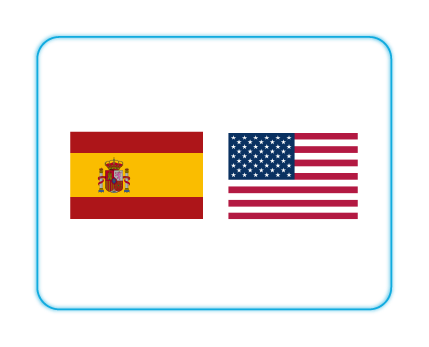
Degree recognized in Spain and the U.S.
Your undergraduate degree is recognized in Spain and the United States (conditions apply depending on the program).




International certifications
Complement your degree with certifications from Meta, Google, Microsoft, and IBM.
Recognized quality
ECOTEC is part of the QS World University Rankings and the Times Higher Education Latin America Rankings.



Three campuses
Study in Samborondón, Guayaquil, or La Costa, with modern classrooms, laboratories, and green areas.
Keep exploring
Other programs in the School of Health Sciences and Human Development
Compare study plans and find the program that suits you best.




FAQ
Most frequently asked questions about Nutrition and Dietetics
Have another question? An admissions advisor will answer with no obligation.
What does a nutritionist do?
They assess how a person eats and what their nutritional status is, using body measurements, habits, and lab tests, and based on that they design an eating plan suited to the person's health, age, and activity level. They also provide nutrition education, work with medical teams in hospitals, and develop community programs. That is the core of professional practice in Nutrition and Dietetics in Ecuador.
How long is the Nutrition and Dietetics program at ECOTEC?
The Nutrition and Dietetics program at ECOTEC University takes 4 years, in an on-campus format. The curriculum is organized by semesters, and you can review it in full in the curriculum map on this page.
What degree will I earn if I study Nutrition and Dietetics?
When you graduate, you earn the degree of Licenciado/a en Nutrición y Dietética (Bachelor's in Nutrition and Dietetics). The program is approved by the Council for Higher Education (CES) under resolution RPC-SO-13-No.184-2025, and your degree is registered with SENESCYT, so it is officially valid in Ecuador.
At which campus can I study Nutrition and Dietetics?
Nutrition and Dietetics is offered at the Samborondón Campus (Vía Samborondón, km 13.5). That is where you will attend classes, do your practical training, and receive admissions support.
What is the difference between a nutritionist and a nutriólogo?
A nutritionist-dietitian is a professional with an undergraduate degree specifically focused on human food and nutrition. The term nutriólogo usually refers to a physician who completed a specialization in nutrition and can therefore also prescribe medication. The two often work together, especially in clinical nutrition, where the eating plan is part of the medical treatment.
What are the requirements to study Nutrition and Dietetics at ECOTEC?
To begin your admission to Nutrition and Dietetics, you need your identity document (national ID card or passport), your high school academic record or report card, and a recent photograph. An admissions advisor will confirm whether any additional documents are needed and will guide you through the entire process.
What skills do I need to study Nutrition and Dietetics?
A solid foundation in biology and chemistry will serve you well, because nutrition is grounded in biochemistry, physiology, and metabolism. You also need communication skills to explain habit changes without judgment, empathy to support processes that take time, and the judgment to tell scientific evidence apart from the diet fads that circulate on social media.
Admissions open
Start your Nutrition and Dietetics degree today
An advisor will guide you through the entire admission, scholarship, and cost process.